Haringey Council rules for hazardous waste and rubbish disposal: a practical, local guide
If you are dealing with broken paint tins, old chemicals, a busted fridge, or just a pile of awkward rubbish after a clear-out, the rules can feel annoyingly fuzzy. Haringey Council rules for hazardous waste and rubbish disposal are there to keep people safe, protect the environment, and stop the wrong items ending up in normal bins or mixed waste. That sounds straightforward enough. In real life, though, it is the kind of topic that can trip up homeowners, landlords, tradespeople, and businesses at the worst possible time.
This guide breaks the subject down in plain English. You will learn what counts as hazardous waste, what usually cannot go in household rubbish, how council expectations shape disposal, and where practical services such as hazardous waste disposal and broader waste removal can help when the job is too messy or too risky to handle casually. Let's face it, nobody wants a leaking drum or a half-forgotten tin of solvent sat in the hallway for another week.
Quick take: Hazardous waste should be separated, identified, and disposed of carefully. Normal rubbish routes are fine for everyday waste, but specialist handling is the safer choice for chemicals, asbestos-related materials, oils, batteries, paints, and other risky items.
Why Haringey Council rules for hazardous waste and rubbish disposal Matters
Most people only think about disposal rules when something awkward shows up. A can of old gloss in the shed. A leaking container from a garage shelf. A smashed appliance that still contains refrigerant. Then the question becomes urgent: can this go in the bin, can it be collected with ordinary rubbish, or does it need special handling?
That matters because hazardous items can contaminate other waste streams, create fire risks, injure collection crews, and cause avoidable pollution. Even if the item looks small, the risk can be out of proportion to its size. A single battery or solvent container can create far more trouble than a whole bag of normal rubbish. Bit dramatic? Maybe. But true enough.
For Haringey residents and local businesses, the practical challenge is not just safety. It is also convenience, cost, and confidence. Nobody wants to guess wrong, only to discover the item has to be removed again. That is why it helps to understand the difference between general rubbish, recyclable materials, and hazardous waste before you start a clear-out.
If you are tackling a larger job, such as a house clearance, office tidy-up, or post-refurbishment disposal, the volume of mixed waste can rise quickly. In those situations, specialist support like house clearance, office clearance, or builders waste clearance can reduce the risk of an accidental non-compliant load.
How Haringey Council rules for hazardous waste and rubbish disposal Works
At a practical level, waste disposal rules work on a simple principle: not all waste is treated the same. Everyday rubbish is usually managed through standard household or business collection routes. Hazardous waste, however, should be isolated, packaged properly, and handled according to the item type and the risk it poses.
The first step is identification. Ask yourself whether the waste could leak, catch fire, corrode, poison, or release harmful dust or fumes. If the answer might be yes, treat it carefully. A lot of people assume that if something is old or half-used, it is harmless. Not always. Half-empty paint, solvent, pesticides, and certain cleaning products can still be classed as hazardous depending on their composition and condition.
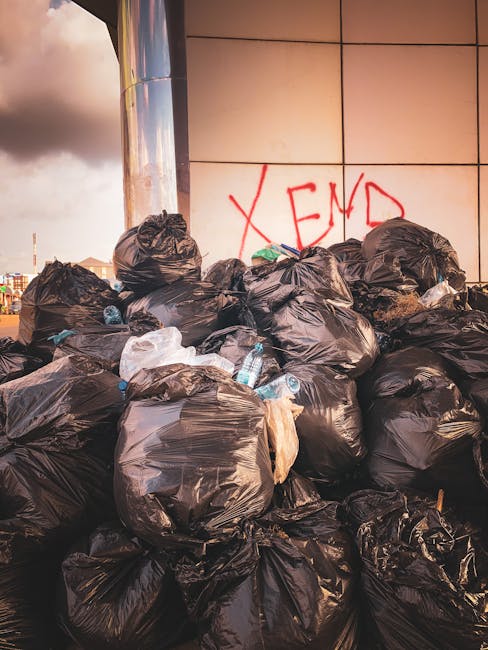
The second step is separation. Do not mix hazardous items with general rubbish or recycling unless you are absolutely sure that route is accepted. Mixing is where problems start. A bag of normal waste contaminated with liquid chemicals can become a much bigger issue than the original item ever was.
The third step is choosing the right disposal route. Some items are suitable for specialist collections, some are accepted through certain civic waste channels, and some require particular handling before removal. For example, large white goods may need appliance-specific handling, which is why a dedicated service such as fridge and appliance removal can be far more appropriate than leaving it to guesswork.
Businesses need to be especially careful. Commercial premises usually have a stronger duty to sort and store waste responsibly, and hazardous materials should never be treated as if they were ordinary office clutter. If your workplace has confidential papers mixed in with waste, confidential shredding is worth considering alongside the rest of the disposal plan. Different problem, same principle: separate first, remove safely second.
Key Benefits and Practical Advantages
Following the rules is not just about avoiding bother. There are solid practical benefits too.
- Less risk of accidents: Properly separated hazardous waste is less likely to leak, break, or injure someone.
- Cleaner disposal process: You avoid the scramble of re-sorting items at the last minute.
- Better compliance confidence: Whether you are a tenant, landlord, contractor, or business owner, you know the waste has been handled properly.
- Lower chance of contamination: Recyclables and ordinary rubbish stay cleaner when hazardous items are kept apart.
- Less storage clutter: Old dangerous items do not sit around "just for now" for months. We all know how that goes.
There is also a time-saving benefit that people often overlook. Once you know what category an item falls into, disposal gets easier to plan. A shed clear-out, for example, becomes a lot less daunting when you can see which items are garden waste, which are bulky rubbish, and which need specialist treatment. If you are already dealing with outside waste, garden clearance can be a sensible way to keep that side of the job organised.
A less obvious advantage is peace of mind. When disposal is sorted properly, you are not carrying that low-level worry in the back of your mind: did I do this right, or have I created a problem for later? That quiet relief is worth a lot, honestly.
Who This Is For and When It Makes Sense
This guidance is useful for a wide range of people in Haringey:
- Homeowners clearing garages, lofts, kitchens, or sheds
- Tenants moving out of flats and trying to leave no awkward leftovers
- Landlords preparing a property for re-let after a quick turnaround
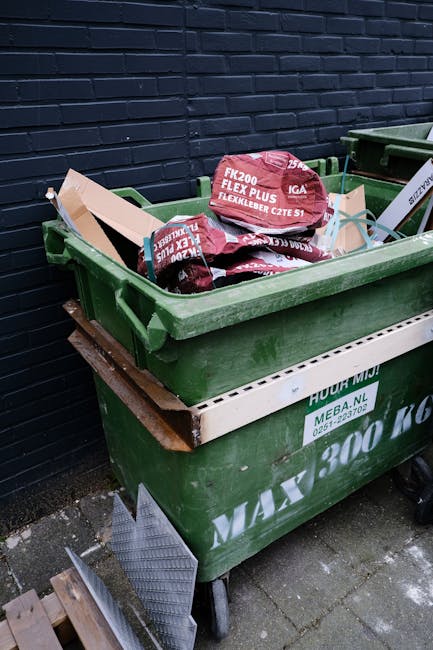
- Tradespeople dealing with renovation waste, packaging, adhesives, or offcuts
- Office managers clearing old stock, damaged equipment, or mixed waste
- Businesses trying to keep waste organised and compliant
It makes sense to pay extra attention any time there is a mix of bulky items and hazardous materials. A house clearance after a long tenancy, for instance, might include furniture, broken appliances, old cleaning products, and maybe the odd mystery bottle in a cupboard. Not glamorous, but very real. In those jobs, a broader service such as flat clearance or home clearance can be especially useful because it allows mixed waste to be assessed properly before removal.
Commercial settings may also need special handling for furniture, filing, and equipment. If you are clearing a workspace, business waste removal and office clearance are the kinds of services that help keep things orderly rather than chaotic.
Step-by-Step Guidance
Here is a sensible, low-stress way to approach hazardous waste and rubbish disposal.
- Sort the waste into broad groups. Separate normal rubbish, recycling, bulky items, and anything you suspect is hazardous.
- Check labels and containers. Read warning symbols, instructions, and leftover content notes. If the label is gone, treat the item cautiously.
- Keep liquids sealed upright. Do not tip containers into other bins. Spills are where a tidy job goes sideways very quickly.
- Do not mix incompatible materials. For example, chemicals, oils, batteries, and aerosol cans should stay apart unless you know the approved handling route.
- Package items safely. Put small sharp or broken items in sturdy containers. Use tape or lids where needed.
- Choose the right collection method. Use the route that best matches the waste type, volume, and urgency.
- Keep records for business waste. If you are disposing of commercial or mixed-duty waste, documentation and clear accountability matter.
That sequence sounds simple, and mostly it is. The tricky part is step one, because people often underestimate how much mixed waste they actually have. You start with "just a few bits" and then, twenty minutes later, there are six categories and a headache. Truth be told, that is normal.
If you need a service that handles awkward household items as part of a broader clear-out, furniture disposal and mattress and sofa disposal can help take the pressure off while the hazardous items are separated for their own route.
Expert Tips for Better Results
In our experience, the best waste jobs are the boring ones. Everything is labelled. Nothing is mixed. Nobody is improvising with a black sack and a prayer.
Here are the habits that usually save time and hassle:
- Do a quick room-by-room sweep first. Kitchens, garages, sheds, lofts, and utility rooms tend to hide the awkward stuff.
- Set aside a "do not bin yet" area. One box or one corner is enough. It stops dangerous items from drifting into the wrong pile.
- Keep absorbent material handy for small leaks. A minor drip is easier to manage when contained early.
- Use gloves and sensible footwear. Not every job needs full kit, but you do not want a sharp edge or broken glass surprise.
- Photograph uncertain items before moving them. That helps if you need to check with a disposal provider or compare options later.
- Plan bulky items at the same time. If you are already sorting hazardous waste, it is efficient to deal with sofas, mattresses, appliances, or old garden waste in the same project.
One more thing: do not assume "it will be fine for now" means "it will be fine next month". Old containers degrade. Damp, heat, and accidental knocks all increase risk. A little action early saves a lot of messy drama later.
Common Mistakes to Avoid
These are the mistakes that cause the most avoidable trouble.
- Putting hazardous waste in general bins. This is the big one. It can contaminate an entire load.
- Ignoring labels because the item is old. Age does not make a chemical safe.
- Breaking items down without checking content first. Some containers release residue when damaged.
- Mixing small amounts of different liquids together. Not a good idea. At all.
- Leaving disposal until after a move-out or site handover. That is when people get rushed.
- Assuming council and private waste routes are identical. They are not, and the accepted items can differ.
Another surprisingly common issue is hidden waste in storage spaces. A loft clearance often reveals boxes of old paint, cleaning products, broken electricals, or materials from years back. If that sounds familiar, loft clearance can be a practical starting point before you decide what needs specialist disposal.
And yes, everyone thinks they will remember which tin is which. Then it is three days later and they are staring at three nearly identical cans. Human nature.
Tools, Resources and Recommendations
You do not need a warehouse of equipment to do this well. A few sensible tools go a long way.
| Tool or resource | Why it helps | Best use |
|---|---|---|
| Strong gloves | Protects against cuts, grime, and light contamination | Sorting and lifting mixed waste |
| Sturdy containers or boxes | Keeps small hazardous items contained | Batteries, aerosol cans, sharp fragments |
| Labels or marker pen | Makes it easier to identify items later | Store-room or garage sorting |
| Protective sheeting | Helps control mess and spills | Leaking containers, dusty items |
| Professional waste support | Reduces risk when the load is mixed or bulky | Clearances, appliance disposal, business waste |
If the job involves more than a few awkward items, a service-led approach is often the simplest option. The site's recycling and sustainability guidance is also useful if you want to keep more materials out of general disposal routes where possible.
For cost-aware planning, it is sensible to look at pricing and quotes before committing. Transparent pricing matters when you are comparing a few different disposal methods. Nobody likes hidden extras, especially on a job that is already slightly grim.
Law, Compliance, Standards, or Best Practice
This section needs a careful tone. Waste rules can involve legal duties, but exact obligations depend on who is producing the waste, what the waste is, and how it is being handled. For example, households, landlords, and businesses do not always face the same documentation expectations. The safest approach is to treat hazardous waste as a regulated responsibility rather than an afterthought.
Good compliance practice usually includes:
- identifying waste correctly before disposal
- keeping hazardous and non-hazardous waste separate
- storing risky items safely until collection
- using appropriate packaging and containment
- choosing an authorised or suitable disposal route
- keeping any records needed for business or managed properties
For commercial premises, this becomes even more important. If your team is clearing an office, workshop, or retail space, the waste stream may include packaging, office furniture, electrical items, confidential papers, and potentially hazardous residues. A sensible policy framework, such as a health and safety policy and clear handling procedures, helps staff stay consistent rather than guessing from one day to the next.
There is also the practical reality of access, insurance, and responsibility. When waste is heavy, awkward, or potentially dangerous, it is worth checking how it will be lifted, loaded, and transported. The site's insurance and safety information is relevant here because, in the real world, proper handling is as much about reducing accident risk as it is about ticking a compliance box.
One useful best practice is to separate anything uncertain rather than trying to be clever with it. If you are not sure whether an item is hazardous, treat it as if it might be. That does not mean overreacting. It means being careful first and efficient second.
Options, Methods, or Comparison Table
Different situations call for different disposal methods. The best choice depends on item type, volume, urgency, and how mixed the load is.
| Method | Best for | Advantages | Limitations |
|---|---|---|---|
| Normal household rubbish | General non-hazardous waste | Simple and familiar | Not suitable for risky items |
| Targeted hazardous waste handling | Chemicals, oils, batteries, contaminated materials | Safer, more compliant, less risk of contamination | Needs sorting and careful preparation |
| Bulk clearance service | Mixed domestic or commercial clear-outs | Efficient for large or awkward loads | Hazardous items still need checking separately |
| Appliance-specific removal | Fridges, freezers, and similar items | Reduces handling issues and routing mistakes | Not a catch-all for every waste type |
For many readers, the best answer is a blended approach. Keep hazardous items separate, then use a clear-out service for the bulky non-hazardous items around them. That often produces the cleanest result with the least friction. If you are clearing a home end-to-end, house clearance is often the most efficient way to deal with the bigger picture.
Case Study or Real-World Example
Imagine a landlord in Haringey preparing a flat for new tenants. The property is otherwise fine, but the storage cupboard contains a jumble of leftover cleaning products, an old can of wood stain, some cracked plant pots, a broken lamp, and a bulky armchair.
The first instinct might be to put everything into one collection pile. Easy enough, right? But that would blur together different waste streams and increase the chance of doing something incorrectly. A better approach is to split the items into categories:
- Hazardous or potentially hazardous: the stain and cleaning products
- General waste: cracked pots and non-reusable small household bits
- Bulky item: the armchair
The hazardous items are kept aside and handled separately. The furniture is booked through a clearance route. The rest is sorted into the right disposal channel. The result is cleaner, safer, and much less stressful. No late-night trip downstairs with a leaking tin, no surprise spill on the hallway carpet, and no awkward last-minute panic before keys are handed over.
That is the real value of understanding the rules: not bureaucracy for its own sake, but fewer mistakes and a smoother finish.
Practical Checklist
Use this quick checklist before you dispose of waste in Haringey:
- Have I identified anything that could be hazardous?
- Are liquids, chemicals, batteries, and aerosols separated from normal rubbish?
- Are containers sealed and stored upright?
- Have I checked for sharp edges, broken glass, or leaking material?
- Do I know which items need specialist handling?
- Have I grouped bulky waste separately from hazardous waste?
- Do I need a collection service for furniture, appliances, or mixed waste?
- Is there enough space and safe access for removal?
- For business waste, are any records or internal approvals needed?
- Have I kept anything uncertain out of the general bin for now?
If you can tick most of those off, you are in a good place. If not, pause and sort the awkward items properly. A ten-minute rethink is usually better than a messy disposal mistake.
Conclusion
Haringey Council rules for hazardous waste and rubbish disposal are really about one thing: keeping waste streams sensible, safe, and properly separated. Once you understand what counts as hazardous, what can go with ordinary rubbish, and when a specialist route makes more sense, the whole process becomes much easier to manage.
For small jobs, careful sorting may be enough. For larger clear-outs, mixed loads, or awkward items like appliances, furniture, and bulky household waste, it is often smarter to use a professional service that can handle the disposal cleanly and responsibly. That way, you are not improvising with half-open bags and crossed fingers. You are just getting the job done properly.
Get a free quote today and see how much you can save.
And if you are standing in front of a pile of old bits wondering where to begin, start with the small step: separate the risky stuff first. Everything gets easier after that.
Frequently Asked Questions
What counts as hazardous waste in a home clear-out?
Common examples include paints, solvents, oils, batteries, certain cleaning chemicals, aerosols, and items contaminated with harmful residues. If it can leak, burn, corrode, or release dangerous fumes, treat it cautiously.
Can I put hazardous waste in my normal rubbish bin?
Generally, no. Hazardous waste should not be mixed with ordinary rubbish because it can create safety risks, contaminate other waste, and make collection unsafe.
What should I do if I am not sure whether an item is hazardous?
Keep it separate until you can identify it properly. If the label is missing or the item looks suspicious, do not guess. That small pause can save a lot of trouble later.
Do bulky items like fridges or sofas count as hazardous waste?
Not usually in the same sense as chemicals or batteries, but some bulky items need specialist handling. Fridges and similar appliances may require dedicated removal, which is why appliance-specific services can be useful.
How should businesses handle hazardous waste differently from households?
Businesses usually need a more formal approach, including clearer sorting, safer storage, and records where required. Waste from commercial premises should never be treated as casual throwaway rubbish.
Can I mix old paint tins with general builders' waste?
No, not unless you are certain the disposal route accepts them. Paint and similar products can be problematic in mixed loads, so keep them separate from construction debris.
What is the safest way to store hazardous waste before collection?
Keep items sealed, upright, clearly separated, and away from heat or moisture where possible. Use sturdy containers and avoid stacking anything that could fall or leak.
Is a full house clearance useful if I have a few hazardous items too?
Yes, especially when the property contains mixed waste. A clearance service can take care of the bulky non-hazardous items while you keep the risky materials apart for separate handling.
Do I need to worry about recycling when disposing of hazardous waste?
Yes, but safely. Some materials can be recycled through specialist routes, while others cannot. The key is not to force hazardous items into normal recycling if they are not accepted there.
What is the biggest mistake people make with rubbish disposal?
The most common mistake is mixing everything together and hoping it will be fine. It rarely is. A little sorting at the start makes the whole process smoother and safer.
How do I know whether I need a professional waste removal service?
If the waste is bulky, mixed, awkward, or potentially hazardous, professional help is usually the easier and safer option. That is especially true for clear-outs, office disposals, and appliance removal.
Where can I get help with hazardous waste disposal in Haringey?
If you want a practical solution for awkward waste, a dedicated hazardous waste disposal service is a sensible place to start, especially when the job involves more than just a single item.
For more about the business behind the service, you can also review the about us page, or if you are ready to arrange a collection, visit book online. If you need to understand how your details are handled, see the privacy policy. And if you want a clearer picture of service terms, the terms and conditions page is available too.