Commercial Waste Haringey: Recycling and Sustainability in the Borough
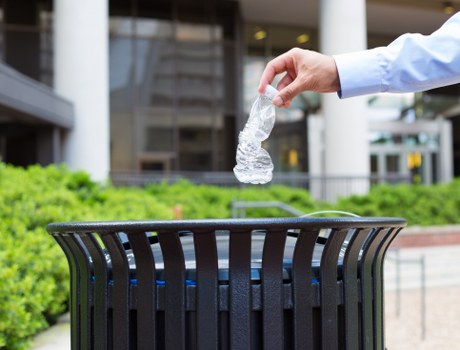 Commercial Waste Haringey takes a practical, evidence-driven approach to building an eco-friendly waste disposal area across business districts and retail corridors. Our borough-wide strategy supports local firms in reducing landfill reliance, increasing material recovery and investing in a resilient, sustainable rubbish area network. Through targeted collection schedules, on-site separation and partnerships with resource hubs, Haringey commercial waste systems are designed to be efficient and accountable.
We have set an ambitious recycling percentage target to drive continuous improvement: a borough goal of achieving 60% recycling of commercial waste by 2030, with interim milestones for 2026 and 2028. This target covers mixed dry recycling, organics, construction and demolition diversion, and textiles. Achieving this requires visible infrastructure, data-driven route planning and a fleet prioritising low emissions — including trials of electric and hybrid vehicles for commercial collections and low-carbon vans to reduce urban pollution.
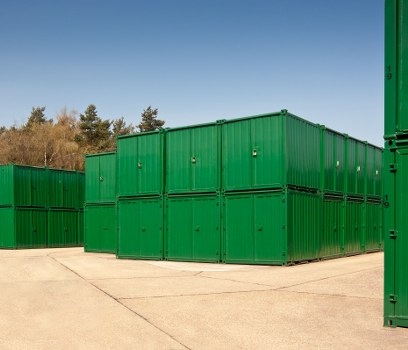 Local transfer stations play a central role in the circular framework for commercial rubbish in Haringey. These transfer facilities act as consolidation points to sort, bale and redirect materials to recycling processors. Typical municipal and private transfer hubs in and around the borough accept cardboard, paper, glass, metals, food waste and inert construction materials. In addition, organised collaborations with charities mean usable items are diverted for reuse rather than shredded or baled for disposal.
Our Operational Approach and Waste Separation
Haringey's approach to waste separation for commercial properties aligns with best practice: source segregation where possible, supported by communal separation points for smaller businesses. Collections typically separate paper and cardboard, mixed cans and plastic, glass, and separately collected food and garden organics. The borough encourages clear signage and colour-coded containers to reduce contamination and increase capture rates for recycling streams.
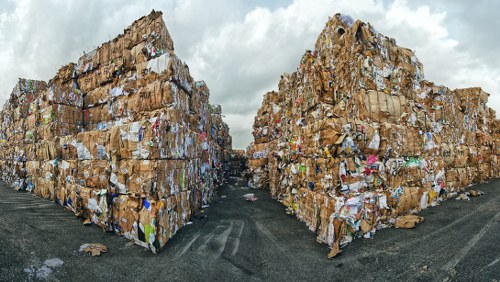 To support businesses, Commercial Waste Haringey promotes on-site segregation training, bin audits and simple operational changes that yield material gains. For example, kitchens and cafés are advised to maintain dedicated food caddies and weekly organics pickups; offices are encouraged to flatten and store cardboard separately. These measures improve the quality of recyclables and reduce the cost and carbon intensity of processing.
Operational improvements extend to logistics: route consolidation, backhauling programs to return reusable materials to charity partners, and investment in compactors at transfer stations. Commercial waste in Haringey benefits from a collaborative framework that links small and large businesses to common hubs, reducing vehicle miles and maximising load efficiency.
Partnerships, Low-Carbon Fleet and Local Resources
Partnerships with charities and the voluntary sector are a cornerstone of the borough strategy. Reuse networks accept furniture, working electronics, textiles and surplus stock that otherwise would be waste. Typical activities include:
- coordinated donation pickups from retail and hospitality
- electronics refurbishment and redistribution
- furniture reuse schemes and social enterprise partnerships
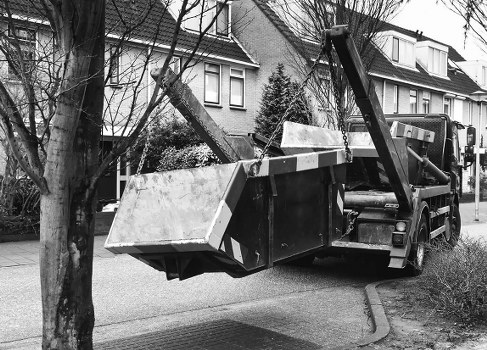 The commitment to low-carbon vans is visible across the commercial collection fleet. Haringey commercial waste contractors are deploying electric vans for short urban routes and low-emission hybrids for heavier pickups. Where electric charging infrastructure is still being developed, the fleet uses sustainable fuels and driver training to lower idling and improve fuel economy. Route optimisation software reduces duplicate trips and enables higher daily throughput with lower emissions.
 Resource recovery at transfer stations and the borough's materials processing partners maximises reuse of fibres, metals and organics. The circular model promotes closed-loop outcomes — for instance, paper and card collected from businesses can be remanufactured into new packaging, while separated food waste is anaerobically digested to create biogas and compost. Commercial waste in Haringey therefore functions as an input to the local circular economy rather than a linear problem.
How can businesses contribute? Simple, high-impact steps include maintaining clear separation zones, scheduling dedicated pickups for high-volume streams, and partnering with approved re-use networks. Visibility of recycling points, staff engagement and regular bin audits all improve capture rates. The borough encourages commercial operators to trial small-scale initiatives such as surplus food redistribution and textile take-back points.
Monitoring and reporting are essential. Commercial Waste Haringey uses tonnage tracking, contamination analysis and participation metrics to measure progress toward the recycling percentage target. Clear KPIs help identify where investment in transfer station infrastructure, signage or additional collection frequencies will yield the greatest benefit.
In summary, the sustainable rubbish area model for Haringey is built on measurable targets, robust local transfer stations, meaningful charity partnerships and a shift to low-carbon vans and smarter logistics. Businesses that adopt these principles can reduce costs, lower environmental impact and contribute to a cleaner, more resilient borough.
